


Be the first to receive new recipes, wellness tips, favorite finds, and a little encouragement. Sent right to your inbox!
let's stay in touch!



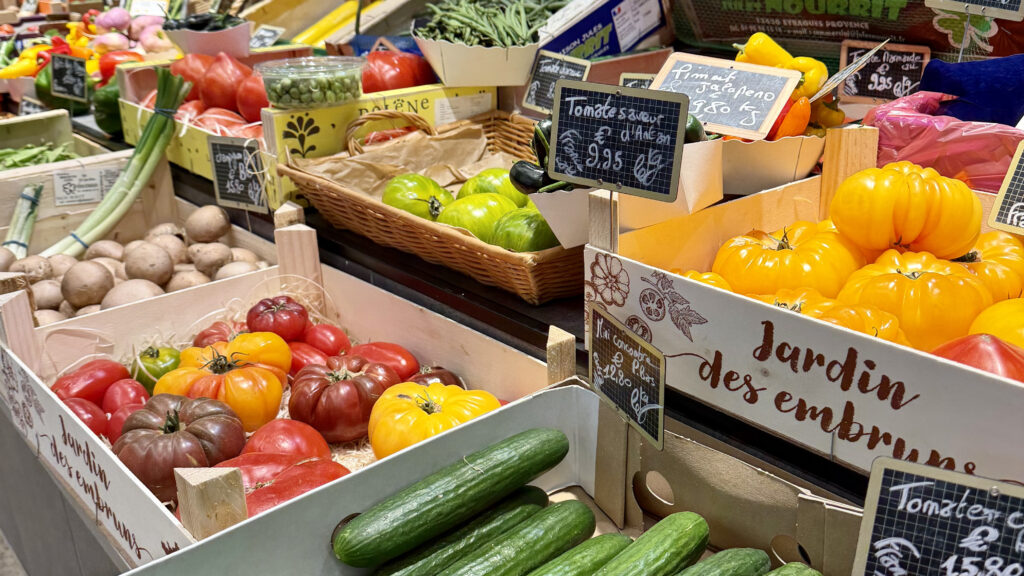
Let’s be honest, grocery shopping can feel overwhelming at times. Between long lists, busy aisles, and not always knowing where to start, it can quickly turn into more of a chore than it needs to be.
If you’re trying to make healthier choices in your home, your grocery trip is a great place to begin. The good news is it doesn’t have to be complicated. With a little planning and a few simple steps, you can make your shopping experience feel much more manageable (and even enjoyable).
A balanced grocery cart generally includes sources of protein, fiber-rich carbohydrates, healthy fats, and a variety of fruits and vegetables.
Here are a few helpful tips to keep in mind on your next trip:
6 Simple Tips for Healthier Grocery Shopping
1. Plan Meals Ahead of Time
Having a loose plan for the week can make all the difference in the world. Think of a few meals that you’d like to prepare, along with snacks and other staples you want to have on hand.
This not only helps you to stay organized, but it also gives you a better sense of your budget before you go to the store.
2. Create a Shopping List
Once you’ve determined the meals you are going to make, write out the ingredients you’ll need. You can even do this directly in your phone’s Notes app.
A list helps you to stay on track, ensures you don’t forget anything, and can reduce the purchase of extra impulse items.
3. Shop the Perimeter (When You Can)
The outer area of the store is typically where you’ll find fresh, whole foods, such as produce, meats, and dairy products.
While you don’t have to avoid the inner aisles altogether, try to build most of your cart around simple, whole ingredients that feel familiar and nutrient-dense.
4. Be Mindful with Produce Choices
When it comes to produce, you may have heard of the “Dirty Dozen”. This is a list of fruits and vegetables that tend to have higher pesticide exposure.
If it fits within your budget, consider buying organic versions of items, such as spinach, berries, apples, and grapes.
And if not, that’s okay too. Eating fruits and vegetables in any form is always a win!
5. Keep Labels Simple
For packaged foods, take a quick glance at the ingredient list. A good rule of thumb is the shorter and more recognizable the ingredients, the better.
Also, keep in mind that packaging can sometimes be misleading, so verifying the ingredients is a great way to feel confident in knowing what you are buying.
6. Don’t Shop on an Empty Stomach
We’ve all been there. Everything looks better when you’re hungry!
Having a snack before you head to the store can help you to stay focused and avoid grabbing unnecessary items (especially in the checkout line).
Budget-Friendly Tips
Eating well doesn’t have to mean spending more money. A few small adjustments can help you stay on track while being mindful of your budget:
- Frozen fruits and vegetables are a great, cost-effective option for produce and can last much longer, so you always have some on hand
- Planning ahead and sticking to your shopping list helps cut down on any unnecessary purchases
- Look for store promotions or coupons prior to your trip
- Try grocery pickup or delivery for better control of your total and avoid impulse buys (if your store offers this option!)
A Real-Life Tip That’s Been Working for Me
Lately, I have been ordering my groceries ahead of time for pickup, and it has made a huge difference in my weekly meal planning. I am able to add items to my cart throughout the week as I think of them, which makes planning feel more natural and less overwhelming. It can also save me time during busy weeks.
Utilizing this method helps me stay within budget since I am able to see my order total before checking out. One downside to this approach is not being able to select your own produce, but you can usually leave notes for your specific preferences.
Final Thoughts
Healthy grocery shopping doesn’t have to be perfect. It just has to work for you. Start simple, stay flexible, and focus on small changes that feel sustainable.
Because at the end of the day, taking care of yourself should feel good – not overwhelming.
Stay well!


